In the digital age, the way businesses communicate with consumers has changed dramatically. Traditional marketing methods such as print ads, billboards, and television commercials are no longer enough to capture attention in an increasingly online world. This shift has given rise to digital marketing, one of the fastest-growing and most influential fields today. The scope of digital marketing is vast, dynamic, and constantly evolving, offering endless opportunities for businesses, professionals, and entrepreneurs alike.
Digital marketing is not just a trend—it is the backbone of modern business growth. From small startups to multinational corporations, every organization now relies on digital channels to reach, engage, and convert customers. Understanding the scope of digital marketing helps individuals and businesses recognize its potential, career prospects, and long-term relevance.
What Is Digital Marketing?
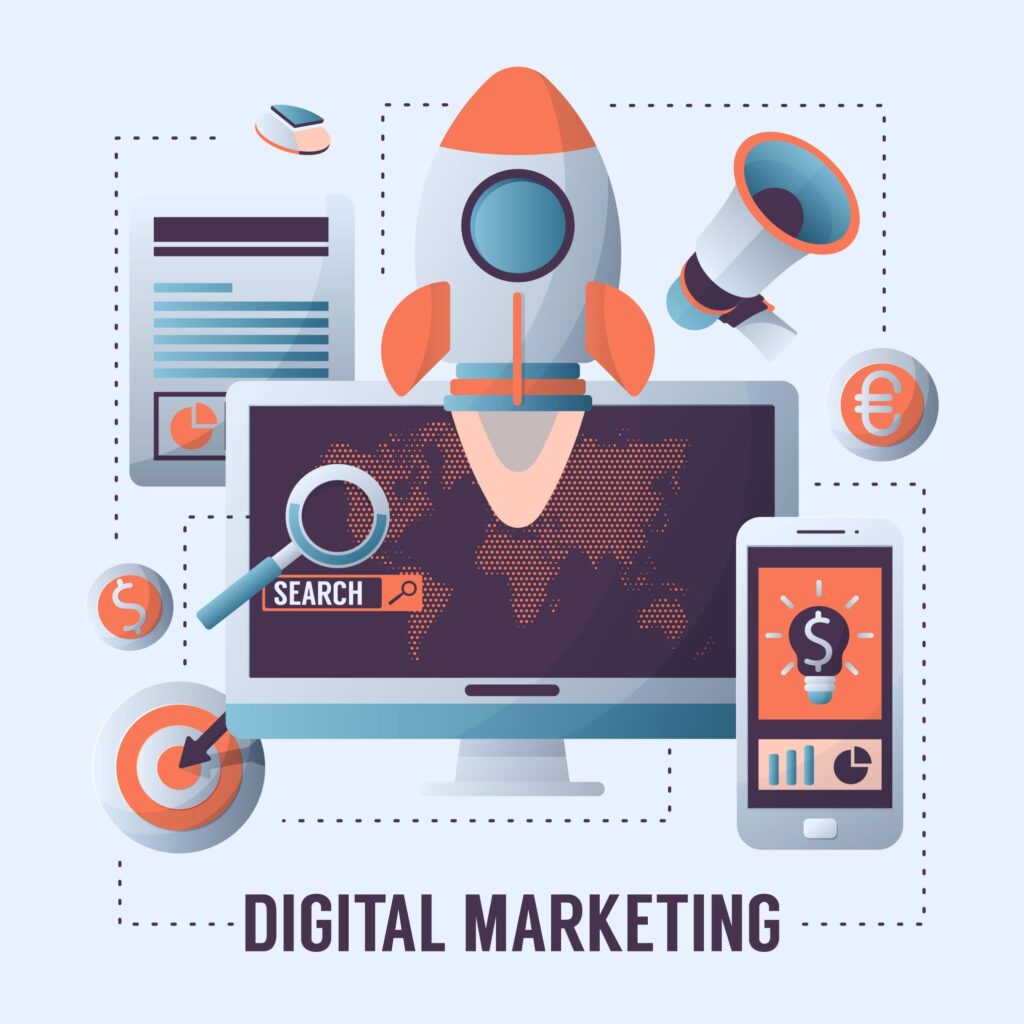
Digital marketing refers to the use of digital platforms, technologies, and online channels to promote products, services, or brands. It involves connecting with consumers through the internet, mobile devices, search engines, social media platforms, email, and other digital mediums.
Unlike traditional marketing, digital marketing allows businesses to:
- Reach a global audience
- Target specific demographics
- Measure results in real time
- Optimize campaigns instantly
- Achieve cost-effective growth
The scope of digital marketing continues to expand as technology advances and consumer behavior evolves.
Why Digital Marketing Has Gained Importance
The increasing use of smartphones, social media, and the internet has transformed how people search for information and make purchasing decisions. Consumers now research products online, read reviews, compare prices, and interact with brands before making a purchase.
Some key reasons for the rapid growth of digital marketing include:
- Rising internet penetration worldwide
- Growth of e-commerce and online services
- Increased use of social media platforms
- Data-driven decision-making
- Cost efficiency compared to traditional marketing
As a result, digital marketing has become an essential component of business strategy across industries.

Major Components of Digital Marketing
The wide scope of digital marketing can be understood by exploring its core components. Each area offers unique opportunities and career paths.
Search Engine Optimization (SEO)
SEO focuses on improving a website’s visibility on search engines like Google. By optimizing content, keywords, site structure, and backlinks, businesses can attract organic (unpaid) traffic.
Scope of SEO includes:
- Keyword research
- On-page optimization
- Technical SEO
- Content optimization
- Link building
- Local SEO
With millions of searches happening every second, SEO remains one of the most valuable digital marketing skills.
Search Engine Marketing (SEM) and Paid Advertising
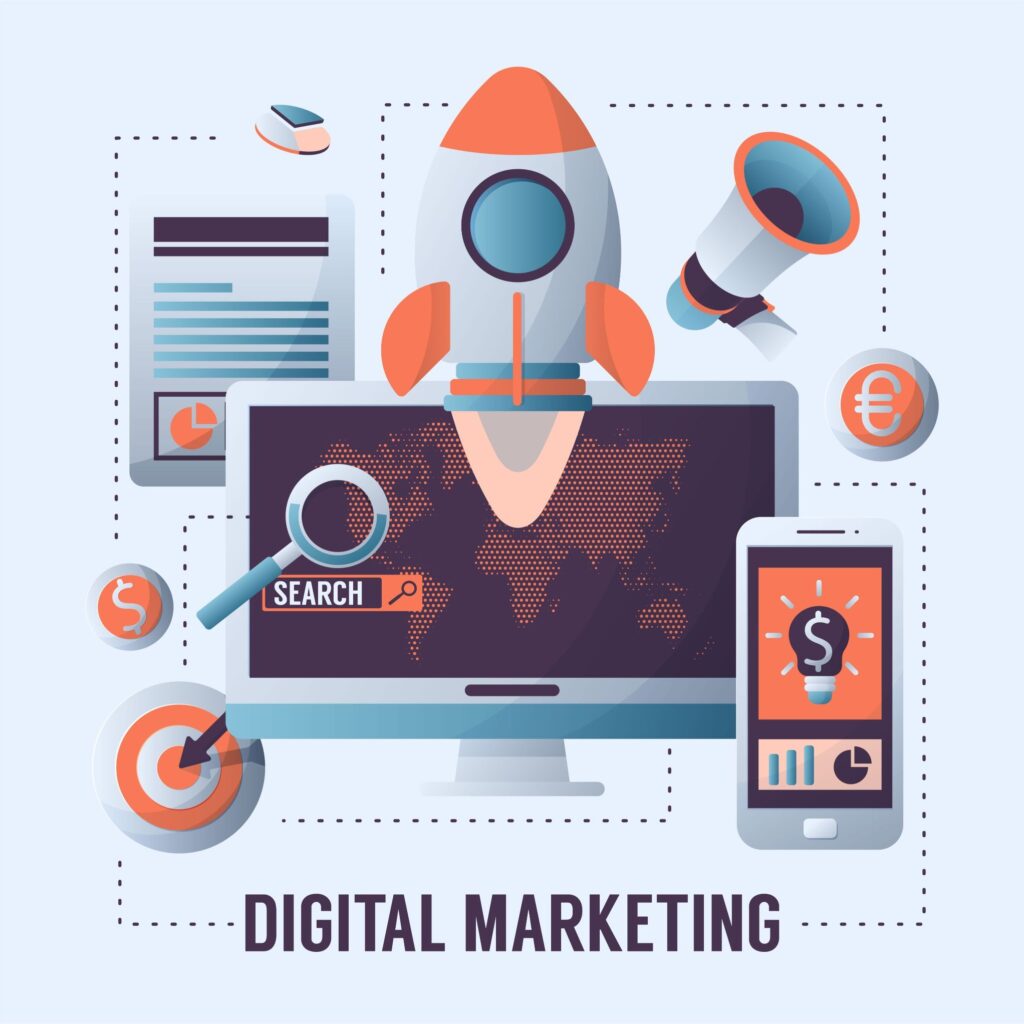
SEM involves paid advertising on search engines, such as Google Ads. Businesses bid on keywords to display ads to users actively searching for related products or services.
The scope of paid advertising also includes:
- Display ads
- Pay-per-click (PPC) campaigns
- Retargeting ads
- Shopping ads
This area offers quick results, precise targeting, and measurable ROI, making it essential for competitive industries.
Social Media Marketing (SMM)
Social media marketing uses platforms like Facebook, Instagram, LinkedIn, X (Twitter), YouTube, and TikTok to build brand awareness and engagement.
Scope of social media marketing includes:
- Content creation and scheduling
- Community management
- Influencer marketing
- Paid social media ads
- Analytics and performance tracking
With billions of users worldwide, social media provides unmatched reach and direct interaction with audiences.
Content Marketing
Content marketing focuses on creating valuable, relevant, and consistent content to attract and retain customers. Content builds trust and positions brands as industry authorities.
Types of content include:
- Blog posts
- Videos
- Podcasts
- Infographics
- Case studies
- E-books and whitepapers
The scope of content marketing is expanding as consumers prefer informative and engaging content over direct advertising.
Email Marketing
Email marketing remains one of the highest ROI digital marketing strategies. It involves sending personalized messages to subscribers to nurture leads and build long-term relationships.
Scope of email marketing includes:
- Newsletter campaigns
- Promotional emails
- Automated workflows
- Customer retention campaigns
- Analytics and optimization
With proper segmentation and personalization, email marketing continues to be highly effective.
Affiliate Marketing
Affiliate marketing involves promoting products or services and earning commissions for each sale or lead generated through referral links.
Its scope includes:
- Partner marketing
- Influencer collaborations
- Performance-based marketing models
This channel benefits both businesses and individuals looking to generate passive income.
Influencer Marketing
Influencer marketing leverages individuals with strong online followings to promote brands. Consumers often trust influencers more than traditional advertisements.
The scope includes:
- Micro-influencers
- Brand collaborations
- Sponsored content
- Long-term partnerships
As social media grows, influencer marketing continues to gain importance.
Mobile Marketing
With smartphones becoming the primary internet device, mobile marketing plays a critical role.
Scope of mobile marketing includes:
- SMS and WhatsApp marketing
- Mobile apps
- Push notifications
- Mobile-optimized websites
- Location-based marketing
Mobile-first strategies are now essential for reaching modern consumers.
Analytics and Data-Driven Marketing
Digital marketing is highly measurable. Analytics tools help marketers track performance and improve strategies.
Scope includes:
- Google Analytics
- Conversion tracking
- Customer behavior analysis
- A/B testing
- Marketing automation tools
Data-driven decision-making is a major advantage of digital marketing.
Scope of Digital Marketing in Different Industries
Digital marketing is not limited to one sector. Its scope extends across multiple industries, including:
- E-commerce – online stores and marketplaces
- Education – online courses, universities, and ed-tech platforms
- Healthcare – telemedicine, health awareness campaigns
- Real Estate – property listings and virtual tours
- Finance – fintech, banking, and investment platforms
- Entertainment – streaming services, gaming, and media
- Travel and Tourism – bookings, promotions, and reviews
Every industry now requires digital marketing to remain competitive.
Career Scope in Digital Marketing
Digital marketing offers diverse and lucrative career opportunities. Some popular roles include:
- Digital Marketing Manager
- SEO Specialist
- Content Strategist
- Social Media Manager
- PPC Specialist
- Email Marketing Specialist
- Marketing Analyst
- Influencer Marketing Manager
Professionals can work as:
- Full-time employees
- Freelancers
- Consultants
- Entrepreneurs
- Agency owners
With continuous learning, digital marketers can enjoy rapid career growth and global opportunities.
Scope of Digital Marketing for Entrepreneurs and Startups
For startups and small businesses, digital marketing is a game-changer. It allows entrepreneurs to compete with larger brands at a lower cost.
Benefits include:
- Affordable promotion
- Direct customer engagement
- Brand building
- Faster market entry
- Scalable growth strategies
Digital marketing empowers businesses to grow without massive budgets.
Global Scope and Remote Opportunities
Digital marketing is not restricted by geography. Professionals can work with international clients, remote teams, and global brands.
The global scope includes:
- Remote jobs
- Freelancing platforms
- International agencies
- Cross-border e-commerce
This makes digital marketing one of the most flexible career choices in today’s workforce.
Future Scope of Digital Marketing
The future of digital marketing is driven by innovation and technology. Emerging trends include:
- Artificial Intelligence and automation
- Voice search optimization
- Video and short-form content
- Augmented and virtual reality
- Personalization and customer experience
- Data privacy and ethical marketing
As technology evolves, digital marketing will continue to adapt, creating new roles and opportunities.
Challenges in Digital Marketing
Despite its vast scope, digital marketing comes with challenges:
- High competition
- Rapidly changing algorithms
- Data privacy concerns
- Skill gaps
- Content saturation
However, professionals who stay updated and adaptable can overcome these challenges successfully.
Conclusion
The scope of digital marketing is enormous and continues to grow with technological advancements and changing consumer behavior. It offers endless opportunities for businesses to expand their reach and for individuals to build rewarding careers. From SEO and social media to analytics and automation, digital marketing encompasses a wide range of skills and applications.
In a world where digital presence defines success, mastering digital marketing is no longer optional—it is essential. Whether you are a student, entrepreneur, or professional, understanding the scope of digital marketing can open doors to innovation, growth, and long-term success.